Airports can drain your energy before you ever reach the gate. A good lounge flips that script. If you fly American Airlines with any regularity, the Admirals Club network offers a reliable place to plug in, regroup, and reset. The catch is choosing how to get inside. Between day passes, annual memberships, the Citi AAdvantage Executive World Elite Mastercard, and access tied to premium cabins or oneworld status, the smartest path depends on how and where you fly.
I have leaned on Admirals Clubs across the country for years, from quick hops through Charlotte to marathon connections at DFW. The basics hold steady, but the edges matter, especially if you connect through Flagship Lounge airports or travel with family. Here is a grounded way to think about the decision, with a few real airport examples and the trade-offs that typically catch people by surprise.
What the Admirals Club really offers
The Admirals Club is American’s core lounge product. You will find complimentary Wi‑Fi, workspaces, outlets that generally work, a selection of complimentary snacks, and a well bar with beer, wine, and standard spirits included. Lounges also offer premium bar service and paid upgraded food options that materially improve the experience if you arrive hungry. Shower suites exist in select locations and are a genuine trip-saver after an overnight flight or a summer sprint between terminals.
The vibe varies by airport. Dallas Fort Worth, Charlotte, Chicago O’Hare, Miami, and Phoenix all run multiple clubs, and crowding ebbs and flows with the banked departure waves. At Los Angeles and JFK, timing is everything around the transcontinental flights. Philadelphia often feels more functional than fancy, which is still a gift compared to busy gate areas. Airports with a heavy long‑haul schedule, such as Miami and JFK, tend to attract crowds that linger longer. Plan accordingly.
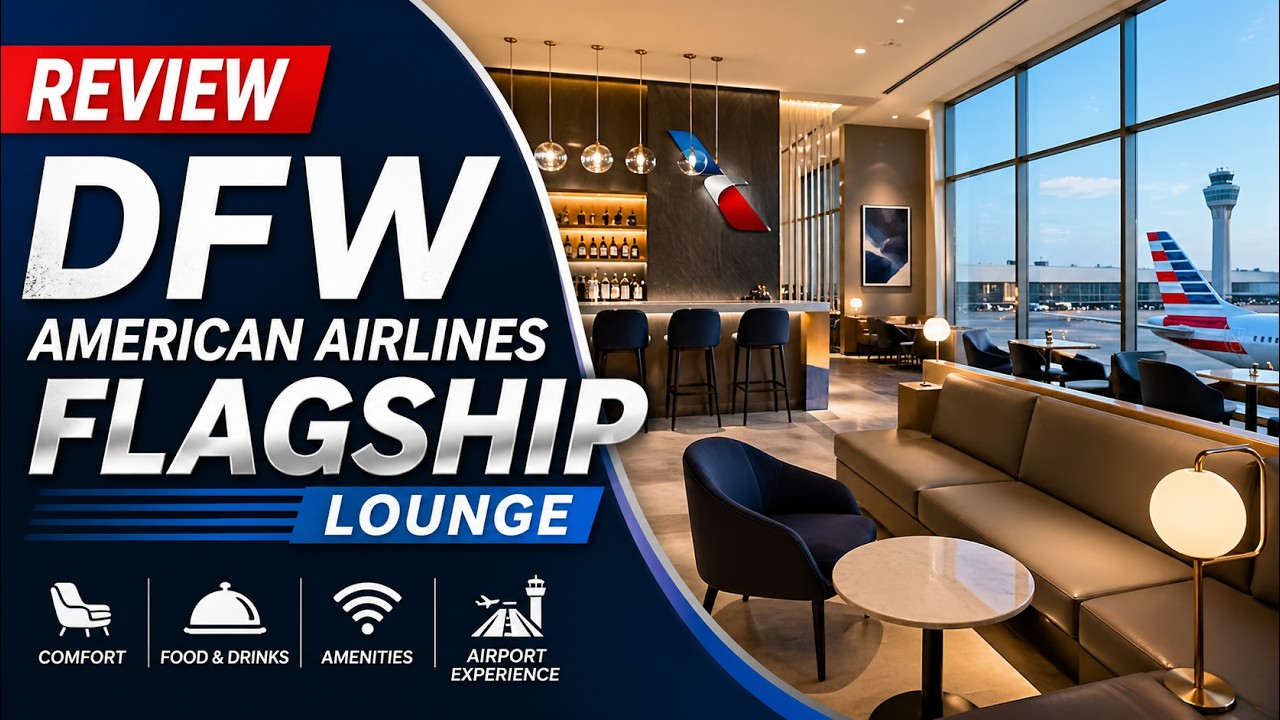
American’s separate Flagship Lounge product sits a tier above the Admirals Club with a broader buffet, better alcohol included, and more space. If you qualify, it feels closer to a true international business class lounge. Flagship First Dining, a restaurant within the Flagship footprint, is invitation only for eligible three‑cabin First Class itineraries and is a different experience entirely, white tablecloths and all.
Access paths, decoded
There are four main ways most travelers end up in an American Airlines Lounge. Understanding the lines between them prevents frustration at the door.
Admirals Club day pass. Sold to travelers with same‑day boarding passes on American or partner flights, a day pass typically covers a single person for entry to Admirals Clubs on the same travel day. It is convenient if you only need access once or twice a year. Expect to pay a published price that has hovered in the high double digits per person. The day pass does not usually extend to guests, which is a crucial difference if you travel with a partner or kids.
Admirals Club membership. The classic subscription. Annual membership pricing varies by tier and whether you opt for individual or household access, and it has climbed in recent years into the mid to high hundreds of dollars. Members can usually bring immediate family or up to two guests, which transforms the economics for frequent travelers who rarely fly alone. Membership unlocks most Admirals Clubs, plus access to many partner spaces like Qantas Club when traveling on an eligible itinerary.
Citi AAdvantage Executive World Elite Mastercard. This premium card functions as a membership surrogate. The annual fee is substantial, but it routinely offsets a paid membership and brings day‑to‑day utility. The primary cardholder gets Admirals Club access and can bring immediate family or up to two guests. Authorized users on this product also enjoy their own lounge access privileges when traveling on American or oneworld flights. For people who fly even moderately often, this single card can be the tipping point from day pass math to year‑round lounge habits.
Premium cabin or oneworld status. This path is separate from membership. Customers in eligible international Business Class, branded as Flagship Business on American, or in international First Class, often gain access to the Flagship Lounge on the same‑day itinerary. Oneworld Sapphire and oneworld Emerald members have their own access rights to business class lounges when traveling on qualifying international itineraries. Domestic flights alone typically do not unlock Flagship access for status holders, with limited exceptions for designated transcontinental flights like JFK to LAX or JFK to SFO. Flagship First Dining remains reserved for three‑cabin First Class on select long‑haul or transcontinental routes, not for status alone.
The day pass and membership paths apply to Admirals Club locations. The premium cabin and oneworld status paths more often map to Flagship Lounges and partner business class spaces. People confuse these rules every day. If you are traveling domestically in Economy but carry oneworld Emerald from a partner airline, you still might not get into a Flagship Lounge unless the itinerary meets the international requirement. Membership, however, would get you into the Admirals Club.
Where you fly shapes the answer
At sprawling hubs, the value of an annual pass rises with each tight connection and weather delay. At Dallas Fort Worth, for instance, having Admirals Club access across multiple terminals means you can pivot if one location is packed. The A and D clubs get slammed at peak times, but I have found workable seats by walking to C or B when time allows. During a rolling thunderstorm day at DFW, that optionality becomes priceless.
Charlotte runs busy banked departures. If you have a 45‑minute layover, the Admirals Club near your inbound gate can be the difference between grabbing a quiet coffee and standing in a two‑deep line at a crowded kiosk while rebooking pings on the app. Chicago O’Hare presents another flavor, with the K and H concourse traffic dictating whether you can decompress or simply catch your breath. At Phoenix and Philadelphia, one well positioned club beats none.
Miami and JFK change the equation again because Flagship Lounges enter the picture. If your travel pattern includes multiple international itineraries, access tied to class of service or status can solve most needs without an Admirals Club membership. Miami’s Flagship Lounge remains a strong option before evening southbound and transatlantic departures. At JFK Terminal 8, American and British Airways jointly operate premium lounges aligned with cabin and status tiers, and Admirals Club members still find traditional club space useful when flying domestically. Pick based on your itinerary and timing. If you land from LHR into JFK with a long domestic connection, having both options can save the day when one lounge overfills.
Los Angeles is a split decision. The Admirals Club in Terminal 4 covers domestic hops well, while premium cabin travelers walking to the Tom Bradley International Terminal Soulful travel guy meet an entirely different oneworld lounge scene hosted by partners. If you are all‑domestic out of LAX, a membership or card is what keeps you out of the terminal fray.
Amenities that matter, and the ones people overrate
Complimentary snacks and beverages set a baseline that beats the terminal nine times out of ten. The premium bar service and paid upgrades move the experience into something you will plan a connection around. If you have a morning departure out of ORD, for instance, the difference between a rushed pastry at the gate and a proper breakfast in the club feels real once you board. Shower suites are a quiet superpower at international gateways. I have landed from an overnight into MIA, grabbed a quick shower, and felt human for a midday meeting. Not every Admirals Club offers showers, but the ones that do become part of your mental map.
People often expect priority boarding privileges through lounge access. That is not how it works. Boarding priority flows from fare class, AAdvantage or oneworld status, or credit card benefits tied to the boarding queue. Lounge access is about time before the flight, not the jet bridge.
Wi‑Fi and workspaces consistently deliver. If you rely on stable calls or need to plug in and grind for 30 minutes between flights, that is the single best use of an Admirals Club. When I see someone try to finish a contract on a laptop at a gate while standing next to a charging pole, I wish them luck and head for the lounge.
Cost math, in plain terms
Day passes make sense if you will use a lounge one to three times a year, traveling solo, and you specifically need Admirals Club access at those points. Once you cross into four to six visits annually, the arithmetic leans toward a credit card that includes membership, or a full membership itself, especially if you bring guests. Actual day pass pricing floats with occasional increases. Over the past couple of years, it has settled in the rough neighborhood of a nice dinner per person. That can still be worth it after an unexpected delay.
Membership costs fluctuate by tier and status. AAdvantage Executive Platinum or ConciergeKey members have historically seen different price points than basic members. For a ballpark, think in the upper hundreds of dollars for an individual plan, with a premium for household. If you value the guest access policy, that premium can pay for itself on the first family trip of the year.
The Citi AAdvantage Executive World Elite Mastercard replaces a paid membership for many flyers. The annual fee is meaningful, yet authorized users with their own access privileges expand the value beyond what a standard membership grants. If you split travel with a partner or have a college‑age child who flies occasionally, the card architecture provides flexibility a straight membership cannot match. Make sure you understand who can guest whom and under what circumstances before you count on it for a group.
Status and premium cabin access, with real limits
AAdvantage status unlocks a lot across the airline, but domestic lounge entry is not one of the core benefits. Even AAdvantage Executive Platinum members do not automatically gain Admirals Club or Flagship Lounge access on purely domestic itineraries in Economy or standard Business Class. ConciergeKey members see bespoke exceptions and invitations, but the general framework still applies.
On the other hand, oneworld Emerald and oneworld Sapphire elites from partner programs often enjoy business class lounge access on international itineraries. If you hold Qantas Platinum or British Airways Gold, for example, you can typically use a partner business class lounge, such as the British Airways Galleries Lounge at London Heathrow or a Cathay Pacific Lounge in Asia, when traveling on eligible international flights. This helps in mixed itineraries, say MIA to LHR to a European connection. You might spend the first leg in a Flagship Lounge and the onward connection in a partner space without ever touching an Admirals Club membership.
For American’s designated transcontinental flights, notably JFK to LAX and JFK to SFO, premium cabin tickets unlock Flagship Lounge access, and three‑cabin First Class unlocks Flagship First Dining. If your year includes multiple transcon trips in paid premium cabins, an annual membership becomes redundant.
How Priority Pass fits, and when it does not
Priority Pass remains popular because it casts a wide net across independent lounges, restaurants, and experiences. It does not grant access to Admirals Clubs. At certain airports, though, a Priority Pass card can still solve your preflight problem through alternate lounges or credits. If you connect in a terminal without an Admirals Club, you might find a contract lounge as a stand‑in. Elsewhere, a Priority Pass tie‑in grants credits at airport restaurants, which can beat paying the premium bar tab inside a club.
Outside the airport, Priority Pass has experimented with city experiences. A well known example in New York is access to Chelsea Piers Fitness at Brookfield Place, handy if you arrive early into Newark or are overnighting downtown and want a proper workout and shower before heading back to the airport. This does not replace an Admirals Club at JFK or LGA, but it can round out a travel day. Think of Priority Pass as a complement, not a substitute, for American‑branded lounge access.
Household travel and the guest access policy
If you regularly move as a family, the Admirals Club guest policy is the fulcrum. Members can generally bring immediate family or up to two guests, which keeps total costs under control. A day pass on a family trip becomes expensive fast, and it is not guaranteed to include guests. With a membership or the Citi AAdvantage Executive card, you can settle everyone in, grab seats together, and work through the pile of snacks without nickel and diming your way through the terminal.
Business travelers who occasionally bring a colleague also benefit. If you and a teammate are on the same PHL to ORD shuttle and need a quiet place to prep, the ability to guest them into the club justifies a full membership on collaboration value alone. A single worthwhile meeting that avoids a missed detail is worth more than a year of day pass fees.
Airport‑by‑airport wrinkles that influence the choice
Dallas Fort Worth has enough Admirals Clubs that a membership becomes a time saver even when your schedule shifts. If you often connect through DFW on tight turns, the predictability alone argues for a membership or the Citi Executive card. I have rerouted around a burst of gate changes and still found a seat, which would not have happened if I were paying day by day.
Charlotte and Phoenix are the places where a day pass can work if you are infrequent but appreciate a breather during the connection waves. If you visit each once per year, a day pass keeps it simple. If your calendar starts showing quarterly visits, re‑run the math.
Chicago O’Hare and Philadelphia skew toward membership for people who rely on stable work time. Both airports see unpredictable security lines and gate changes. Being able to enter as soon as you clear security, regroup, and then head to the gate at the right moment becomes a pattern that pays back quickly.
Miami and JFK are classic cases for premium cabin or oneworld status solving most needs on international itineraries. If you fly MIA to South America and JFK to Europe multiple times each year in Business Class, your lounge solution likely lives in the Flagship or joint AA‑BA spaces. Admirals Club membership then turns into a domestic hedge, not the core access method. Decide whether the hedge is worth the annual fee based on how often you tack a domestic leg on either side of the long‑haul.
Los Angeles rewards flexibility. If you split time between domestic hops and occasional long‑hauls through the Tom Bradley International Terminal, a membership covers the domestic days and status or cabin class handles the rest. Without any long‑hauls, the decision is simpler. Membership or the Citi Executive card wins over repeated day pass purchases.
How often do you actually need a lounge?
The most honest filter is your calendar. Count the trips that include at least one of these moments in a typical year: a connection longer than 90 minutes, a morning airport arrival before 8 a.m., a late flight after 7 p.m., or a redeye recovery. If you tally four to six instances, that is your American Airlines Lounge tipping point toward a membership product. If your travel looks like two quick weekend hops and one family visit, buy a day pass only where the airport experience is especially rough.
Status plays a part too. If you hold AAdvantage Executive Platinum, your upgrade rates and early boarding reduce terminal stress. That might lower the incremental value of a club on straightforward domestic days, while leaving the lounge essential on weather days and international connections. If you are building status and spend a lot of time on standby lists, a club makes the holding pattern less painful.
The rival benchmark: United Club
I often hear, I already get into United Club with my corporate travel, so why pay for Admirals Club? The two networks serve similar needs, but your airline mix matters. If your job or family obligations pull you into American’s hubs, the Admirals Club is the environment tuned to those operations. When irregular operations hit Charlotte or Dallas, the local staff, announcements, and rebooking options in an Admirals Club are more relevant than what you would hear in a competitor’s space. That operational alignment rarely shows up in cost comparisons, yet it matters when you are sprinting between gates at CLT and need to know whether your MIA connection is still at D14.
Two quick frameworks to make the call
- Choose a day pass if you fly American three or fewer times per year, usually solo, and your itineraries are domestic out of airports like CLT, PHX, or PHL where a single visit smooths a connection. Choose Admirals Club membership if you fly six or more domestic trips per year, often with a companion, or you value guesting colleagues. The guest access policy and multiple club locations at hubs like DFW, MIA, and ORD tilt the math. Choose the Citi AAdvantage Executive World Elite Mastercard if you want membership benefits plus the ability to give authorized users their own access. This is especially useful for households where two adults travel separately several times a year. Rely on premium cabin or oneworld status if most of your trips are eligible international flights or designated transcontinental routes like JFK to LAX. In that pattern, Flagship Lounge access covers the heavy lifting. Keep Priority Pass as a complement for non‑AA lounge gaps, restaurant credits, or experiences like Chelsea Piers Fitness in New York. Do not expect it to open Admirals Club doors.
Fine print worth knowing before you head to the airport
Same‑day boarding pass requirements are enforced. Whether you hold a day pass, membership, or a credit card, expect to present an eligible same‑day itinerary on American or a partner. That single rule catches unprepared travelers more than any other.
Guest rules are precise. Day passes typically do not include guests beyond perhaps very young children, while memberships and the Citi Executive card allow immediate family or up to two guests. If you plan to host a colleague, confirm the rule set on your specific credential. Agents will politely decline entry if you outstrip the policy, even if there are empty seats inside.
Not every location is equal. Shower suites concentrate in larger hubs and Flagship Lounges. If a shower is the deciding factor before a client meeting, check the specific lounge at DFW, MIA, JFK, ORD, or LAX to verify availability. At some airports the Admirals Club and Flagship Lounge sit near each other, but only one offers showers at certain hours.
Flagship First Dining is narrow by design. Unless you are booked in American’s rare three‑cabin First Class on eligible international or transcontinental flights, do not plan on it. ConciergeKey travelers see bespoke invitations at times, but that is not something to bank a schedule on.
Rules change. Lounge membership cost and day pass pricing have risen over the last few years across the industry. If you are making a decision you want to live with for a year, spend five minutes with the current policy page before you commit.
Putting it into practice: three real scenarios
A Charlotte‑based consultant flies twice a quarter to Chicago and Dallas, almost always in Economy, and often debriefs with a client on arrival. They usually travel solo, occasionally with a teammate. An annual Admirals Club membership or the Citi Executive card is the right move. The consultant will use the club at CLT before early departures, at ORD between meetings, and at DFW when tight connections slip. The ability to guest a colleague for a preflight alignment in Charlotte avoids hurried gate huddles.
A Miami‑based family visits relatives in Phoenix twice a year, then takes one international vacation to Europe in the summer, flying Business Class on the long‑haul. In this case, two day passes per year for MIA or PHX might cover the domestic days, while the Europe trip unlocks Flagship in Miami and partner lounges abroad without a membership. If the parents want reliable domestic lounge time for both trips and to settle the kids before boarding, the Citi Executive card wins on guesting.
A New York media executive flies JFK to LAX in premium cabins six times a year and adds two domestic leisure trips in Economy. Lounge access for the transcons is largely covered through the premium cabin and eligible transcontinental rules. The two Economy trips alone do not justify a full Admirals Club membership. Day passes on those two trips might be enough, unless the household benefit of the Citi Executive card tips the scale for a partner who flies separately.
The bottom line on the decision
If you mostly fly domestically with American and value a calm workspace, membership or the Citi AAdvantage Executive card pays back quickly. If your travel pattern leans international in premium cabins or you hold oneworld Emerald or Sapphire and regularly fly eligible international flights, your access likely lives inside Flagship and partner lounges, making a separate Admirals Club membership an optional cushion. Day passes still earn their keep when your calendar is light or your wallet simply wants to test the waters before committing.
One last practical note. Map the specific lounges at the airports you use most. At Dallas Fort Worth, Charlotte, Chicago, Miami, JFK, Los Angeles, Philadelphia, Phoenix, and London Heathrow, the difference between a good lounge and the right lounge can be a five‑minute walk that changes your whole connection. If you build that map and pick the access path that fits how you actually travel, the Admirals Club becomes less of a splurge and more of a small system you rely on to make your travel day work.